The Long Shelf: Seven Pocket Games That Refuse to Expire
Photo: Océanos y dados, CC0, via Wikimedia Commons
As of 14 November 2026, the average phone is more powerful than ever, and the average home screen is still a tip. The 2026 backlog is real: a queue of shiny downloads, half-finished demos and games that seemed essential for about four days. At Pocketeers, we are less interested in what is loud this week and more interested in what survives the next phone upgrade.
That is the long shelf: the tiny games that stay installed not because they demand attention, but because they reward the ten minutes you actually have. The bus is late, the kettle is boiling, the queue is shuffling forward — these are pocket-sized sessions, and the best games fit them without turning into a second job.
What makes a keeper in 2026
A keeper is not automatically a classic. It is a game that opens fast, plays well offline, ends on purpose and does not punish you for ignoring it for a fortnight. No daily streak guilt. No energy timers. No login bonus that makes you feel like you are clocking in for a shift. The seven below are UK-friendly picks that meet those tests — and each one has a decent chance of still being worth its home-screen square in 2030.
Mini Metro
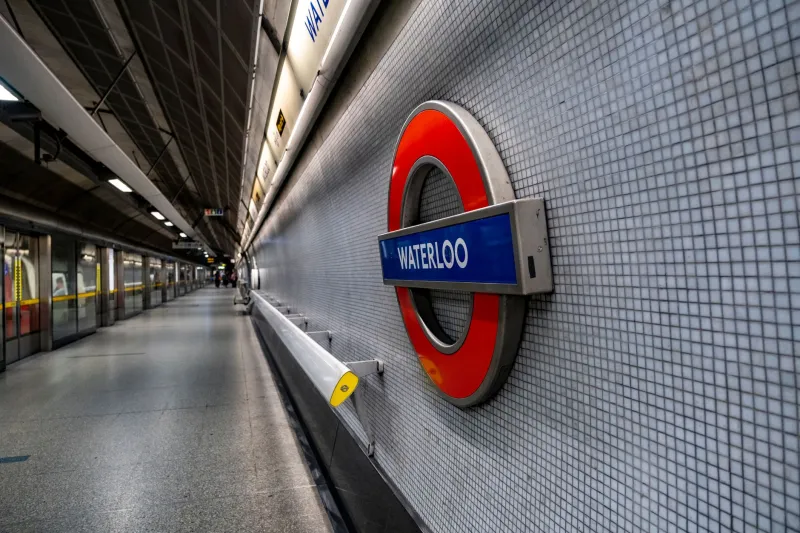
Dinosaur Polo Club's tube-map puzzler is the obvious first name on the long shelf, and it earns the spot. You draw lines, place trains and try to keep a growing city from turning into a commuter meltdown. The London map is a nice local touch, but the real keeper quality is the pace: a run can last five minutes or forty, and you can stop whenever the doors open. It works offline, it does not nag, and it turns public transport chaos into a neat little puzzle rather than a reminder of the 07:42 to Waterloo.
Monument Valley 2
ustwo games is a UK studio, and Monument Valley 2 is the sort of pocket game that feels like a small, beautifully organised drawer. Each chapter is short enough for a coffee break, the touch controls suit one thumb, and there is no daily login pressure. It is not a game you grind; it is one you revisit when you want ten minutes of quiet, clever geometry. That makes it a keeper for people who delete noisy games first when storage gets tight.
Downwell
Downwell is a vertical roguelike about falling down a well and shooting things with your boots. That sounds daft because it is daft, but it is also one of the best short-session games on mobile. Runs end quickly, restarting is instant, and there is no meta-system begging you to come back tomorrow. It plays offline, it respects the bus stop, and it has that rare quality of feeling complete in a five-minute burst. If a game can survive the phrase 'just one more go' without becoming a chore, it stays.
Holedown
Holedown is a block-busting puzzler with a lovely grainy look and a simple hook: fire balls, clear bricks, go deeper. It is the kind of game you can play with a podcast on and half an eye on the kettle. No account, no daily mission, no seasonal pass — just a clean loop that fits a pocket session. It is also easy to dip back into after weeks away, which is exactly what a long-shelf game needs to be. Fancy graphics age; good rhythms do not.
Threes!
Before every number game with a clever twist, there was Threes! — a sliding-tile puzzler that still feels sharper than most of its imitators. It works offline, it loads fast, and it does not care whether you have logged in for your daily reward. You can play for three minutes or thirty, and the only pressure is the one you put on yourself. In a market full of games that want to own your routine, Threes! is happy to be a small, repeatable pleasure. That is how it ends up outlasting the hype cycle.
Really Bad Chess
Zach Gage's chess remix gives you random pieces instead of the usual starting setup, which sounds like a gimmick until you realise it makes the game far more approachable. Sessions are short, the rules are familiar, and there is no daily-login treadmill. It is perfect for a quiet pint, a train table or the ten minutes before a takeaway arrives. The fact that it works offline makes it a genuine keeper rather than a fair-weather download. Chess has lasted centuries; this version has a decent shot at 2030.
A Good Snowman Is Hard To Build
A Good Snowman Is Hard To Build is a gentle puzzle game about hugging snowballs into the right shape. It is small, charming and completely uninterested in making you check in every day. Each puzzle is a pocket-sized thought, the controls are simple, and the whole thing plays offline. It is the sort of game that survives because it does not try to be a lifestyle. You finish a puzzle, you put the phone away, and nobody sends you a notification about a limited-time event.
The pre-clear checklist
Before you start deleting icons to make room for the next big download, run these questions past each game on your home screen:
- Does it open without a signal? A keeper should survive a tunnel, a basement or a patchy train Wi-Fi.
- Can you do something meaningful in ten minutes? Short sessions should feel like a snack, not a cliffhanger.
- Does it nag you? Daily rewards, streaks, energy timers and login bonuses are warning signs.
- Does it need an account? If you cannot play without signing in, it is less of a pocket game and more of a service.
- Does it work with one thumb? The commute test matters.
- Does it survive a phone upgrade? If cloud saves are missing, is it small enough to reinstall without fuss?
- Is the icon still earning its square? If you scroll past it for a month, it is not a keeper — it is decoration.
The long shelf is not about nostalgia. It is about games that fit the way UK players actually play: in gaps, in queues, on buses and between brews. The seven above are not the loudest games of 2026. They are the ones most likely to still be there when the next phone arrives — and when 2030 turns up with a new wave of hype to ignore. Big fun, small sessions, no daily-login nonsense. That is a shelf worth keeping.